

COVID-19 SERVICES
Our COVID-19 Services
J & J Cleaning and Clerical Services professionals are uniquely prepared during this unprecedented time to clean and disinfect your home or business according to the protocols set forth by the CDC. We have years of experience in dealing with biological contaminants, and we will go beyond the scope of work that regular janitorial staff perform on a daily basis.
Our professionals are trained to perform a proactive cleanup that involves facility or structure cleaning and disinfection. Cleanup procedures generally include cleaning of porous and non-porous surfaces, disinfecting of non-porous surfaces, cleaning and disinfecting of equipment, tools, and/or supplies used for cleanup process, and disposal of waste.
SPECIALIZED PRODUCTS
The CDC recommends usage of a labeled hospital-grade disinfectant with claims against similar pathogens to the coronavirus. Multiple products in the SERVPRO product line carry the EPA-approved emerging pathogens claims. While there is currently no product tested against this particular strain of the coronavirus, we are following all guidelines as provided by the CDC and local authorities.
Practice Good Hygiene
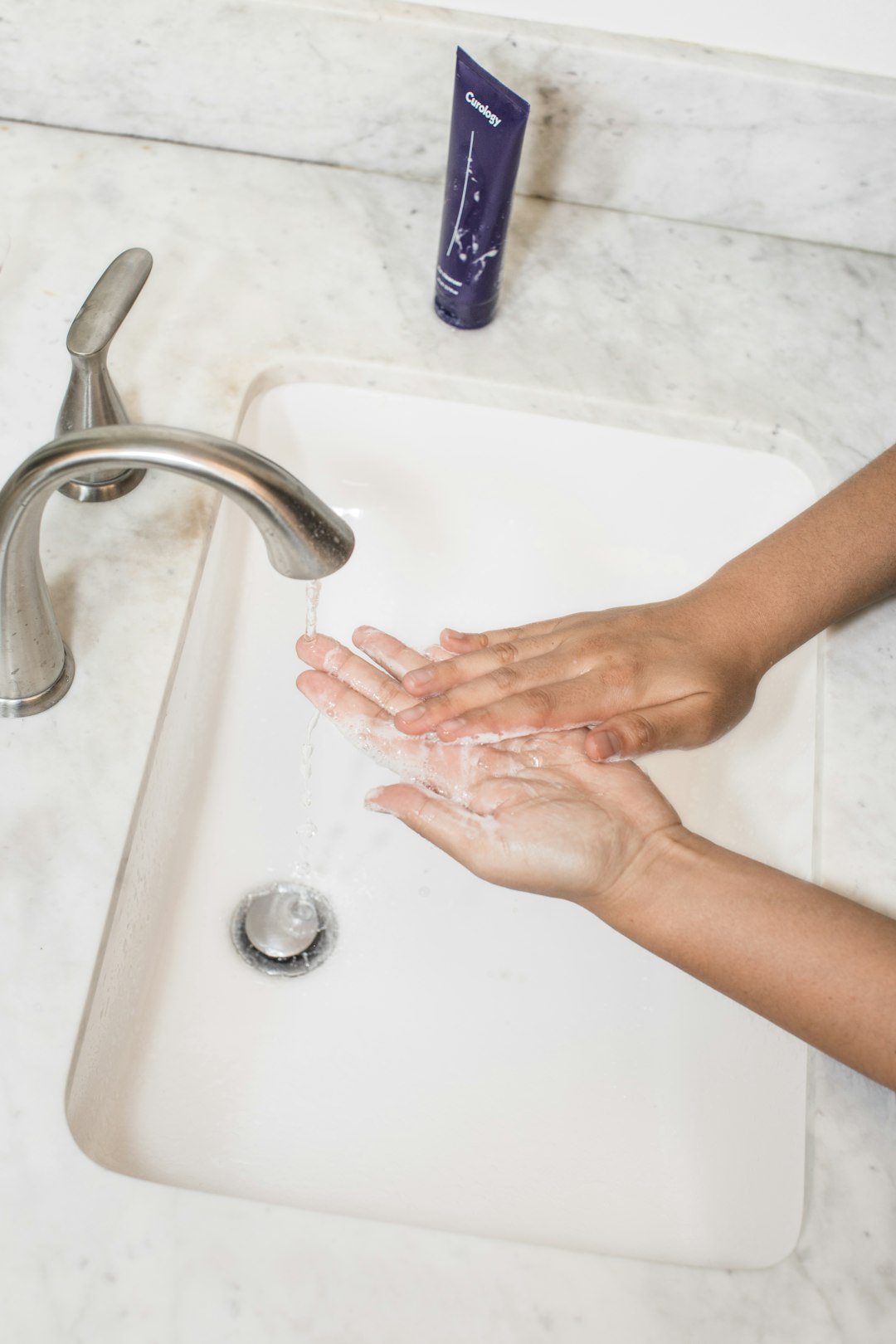
- Clean hands with sanitizer and wash your hands frequently
- Avoid touching your face and cover coughs and sneezes
- Disinfect “high touch” surfaces like doorknobs, light switches, tables, doorknobs, and handrails regularly
- Increase ventilation by opening windows or adjusting air conditioning
COVID-19 CLEANING SERVICES
In these unprecedented times and as part of the effort to help businesses impacted by COVID-19, J&J is responding to the current global pandemic by offering a groundbreaking cleaning and sanitizing solution for businesses and facilities.
J&J 3-Step Clean System professional grade botanical disinfectant combined with a unique antimicrobial surface protectant that can provide residual surface protection for up to 90 days. With the J&J 3-Step Clean System, after surfaces are disinfected, we apply the patented BIOPROTECT™ RTU Antimicrobial Surface Protectant for longer lasting protection between regular cleanings.
J&J is the exclusive provider and ONLY BIOPROTECT™ CERTIFIED COMPANY in the Restoration industry. No other restoration company in the U.S. and Canada can offer this advanced cleaning technology.
How Does The J&J 3-Step Clean System Work?
J&J uses a 3-step cleaning process to help protect your property and provide a safer environment for employees and patrons.
STEP # 1 - DISINFECT
J&J uses a highly-acclaimed botanical disinfectant solution that kills 99.9% of viruses (including the human Coronavirus), bacteria, fungi and mold . This solution disinfects, cleans, sanitizes and deodorizes in just ONE step. Eco-friendly, EPA registered disinfectant. Contains no harsh chemicals and eliminates most Allergens upon contact. Non-flammable, non-corrosive and non-abrasive. Safe for everyday use. Ready-to-use, patented and NSF Certified formula that requires no rinsing - even on food contact surfaces.
STEP # 2 - PROTECT
After surfaces are thoroughly cleaned and disinfected, J&J can then apply the BIOPROTECT™ RTU Antimicrobial Surface Protectant. This is an optional treatment designed to protect surfaces between regular cleanings. EPA-registered, water-based formula that forms an antimicrobial shield which provides persistent, continuous, antimicrobial surface protection against a broad range of odor and stain-causing microbes (bacteria, mold, mildew and algae) -- with efficacy that remains effective for up to 90 days. Non-flammable, colorless, odorless, non-leaching and non-migrating. Can be applied to both porous and non-porous surfaces, including HVAC systems. Safe for use on food contact surfaces, utensils, appliances and equipment.
STEP # 3 - CERTIFY
J&J will certify that the property has been treated with the disinfectant and antimicrobial surface protectant. This certification will let others know that the property has been cleaned with the most advanced technology on the market.
How does BIOPROTECT™ RTU Antimicrobial Surface Protectant Work?
BIOPROTECT™ RTU’s patented antimicrobial technology uses self assembling monolayers to create a layer of spikes that mechanically kill microbes (bacteria, mold, mildew and algae) by piercing and rupturing their cell membrane. This kill method prevents microbes from mutating and adapting, inhibiting their ability to grow. Unlike conventional cleaning products, BIOPROTECT™ RTU forms a covalent bond to the applied surface and continues to work while in the dry state.
Why Choose Our Coronavirus Cleaning Services?
J&J is an industry leader when it comes to disaster mitigation and recovery. We have years of experience offering decontamination and disinfection services for buildings contaminated by Fire, Water, Storms, Mold and more. Our processes include the disinfection and removal of biohazardous contaminants. Treatment of all direct and most indirect reachable surfaces of buildings Disinfection of affected equipment, heating ventilation and air conditioning (HVAC) systems Fogging to eliminate airborne viruses and bacteria These services help: Reduce the risk of infection or illness Reduce the risk of cross-contamination Reduce operations downtime We are currently providing disinfection services for healthcare facilities, schools, manufacturing plants, office spaces, senior living and assisted living facilities, retail stores and more. All of our cleaning protocols meet the Centers For Disease Control And Prevention (CDC) guidelines. We were also chosen to disinfect one of the first commercial airplanes to enter the country after the initial COVID-19 outbreak. We completed the deep cleaning protocol on the Diamond Princess cruise ship in Japan after a COVID-19 outbreak onboard. J&J performed a Level 3 cleaning protocol on the ship which included all public and crew access areas, staterooms, crew cabins, dining and entertainment areas. The Japanese Ministry of Health, Labor and Welfare (MHLW) declared the ship as being fit to sail with no traces of COVID-19 on board. Find out how J&J helped the Diamond Princess with disinfection against COVID-19.
How To Request Sanitizing Services
There are multiple ways to request J&J's 3-Step Clean services, including: Call our 24-hour hotline at 800-856-3333. Call your local J&J office. Complete the Cleaning Request form located at the bottom part of the page. A representative will contact you.
PROFESSIONAL COVID-19 CLEANING SERVICES FOR ESSENTIAL BUSINESSES
If you’re an essential business still operating at this time, keeping your workplace safe and free from infection is likely a primary concern. This is true both to prevent illness in the facility and to preserve peace of mind for all occupants, so they know all steps are being taken to keep them safe.
The CDC’s guidelines call for every essential business to “clean and disinfect all areas…routinely.” Additionally, at this point it is clear that individuals can be asymptomatic and still transmit COVID-19 (more data here), resulting in necessary actions being taken across every organization that has its doors open.
As a result, many organizations are taking steps to keep their facilities sanitized, such as wiping down areas with disinfecting wipes and cleaning more regularly than normal. We believe that these steps are important but not sufficient to maintain a safe work environment in the midst of an epidemic.
We strongly recommend professionally disinfecting your facility as a way to keep your employees and occupants safe and to keep essential personnel working in this time of crisis. Here are three of the reasons why:
- Professional sanitizing can reach all corners of the facility. By applying disinfectant using a combination of techniques—including fogging, surface wiping, and spraying—areas of the building are addressed that would otherwise be missed by ordinary cleaning. A brief overview of these methods (more details here):
- Fogging—Technique that uses a fine spray to deliver disinfectant so that it reaches all interior spaces. Can be done in interior spaces as well as in air duct systems.
- Surface wiping—Wiping down all surfaces with industrial-grade disinfectant. The solution is applied wet, allowed to dwell, then wiped for maximum effectiveness.
- Spraying—Applying a “wet” spray to completely coat a surface in sanitizing solution. After the solution is applied, it is allowed to dry to ensure effectiveness. You’ve probably seen footage of this on the news, as cities have been wet-spraying public spaces.
Via these techniques, every nook and cranny of the facility—from high-touch surfaces to the interior of the air duct system—can be sanitized.
- Professional cleaning utilizes a different quality of sanitizing product. Off-the-shelf products can be effective at addressing coronavirus, but they will not have the efficacy of a higher-strength disinfectant.
A couple of notes about disinfecting products:
- The EPA maintains a list of products for use against COVID-19—found here—that includes both professional-strength and off-the-shelf products. We are using only the products found on this list and would recommend all others do the same.
- You hear products being promoted as “hospital grade” or “industrial grade.” These are purely marketing terms and don’t represent anything about the quality of the product. That said, there is a distinction between professional-strength cleaning products such as the ones that J&J uses and off-the-shelf products you would buy at the store.
By using a company like J&J that employs professional-strength cleaning products included on the EPA list to fight coronavirus, you are receiving the highest-quality sanitation and maximizing your likelihood of eliminating any virus.
- By not using your employees or staff to clean and disinfect the premises, you are keeping them safe and out of harm’s way. Professional crews such as ours are trained to wear the proper personal protective equipment (PPE) and clean in such a way as to minimize risk to themselves. If you are using your own staff to wipe down and clean areas, they may not know how to properly protect themselves.
In addition, companies such as J&J can schedule after-hours work to avoid contact with your occupants and eliminate any person-to-person interaction. This is much safer than having staff clean during regular business hours. (If it is not possible to schedule after-hours work—as in the case of facilities that are open 24 hours a day—companies like ours can work with you to identify a solution.)
For each of the reasons above, we believe that every essential business should be regularly conducting professional cleaning, sanitizing, and disinfecting. When the time comes to have sanitizing work done, we have several recommendations, found here. And of course, whenever you decide to clean, sanitize, and disinfect, J&J is here for you and happy to help.
HOW TO CLEAN AND DISINFECT

1. Develop Your Plan

2. Implement

3. Maintain and Revise

4. Clean

5. Disinfect

6. Soft (porous) surfaces

7. Electronics

8. Laundry

9. Cleaning and disinfecting your building or facility when someone is sick or has a COVID-19 diagnosis

10. Cleaning and disinfecting outdoor areas
1. DEVELOP YOUR PLAN
- DETERMINE WHAT NEEDS TO BE CLEANED. Areas unoccupied for 7 or more days need only routine cleaning. Maintain existing cleaning practices for outdoor areas.
- DETERMINE HOW AREAS WILL BE DISINFECTED. Consider the type of surface and how often the surface is touched. Prioritize disinfecting frequently touched surfaces.
- CONSIDER THE RESOURCES AND EQUIPMENT NEEDED. Keep in mind the availability of cleaning products and personal protective equipment (PPE) appropriate for cleaners and disinfectants.
2. IMPLEMENT
- CLEAN VISIBLY DIRTY SURFACES WITH SOAP AND WATER PRIOR TO DISINFECTION.
- USE THE APPROPRIATE CLEANING OR DISINFECTANT PRODUCT. Use an Environmental Protection Agency (EPA)-approved disinfectant against COVID-19 and read the label to make sure it meets your needs.
- ALWAYS FOLLOW THE DIRECTIONS ON THE LABEL. The label will include safety information and application instructions. Keep disinfectants out of the reach of children.
3. MAINTAIN AND REVISE
- CONTINUE ROUTINE CLEANING AND DISINFECTION. Continue or revise your plan based on appropriate disinfectant and PPE availability. Dirty surfaces should be cleaned with soap and water prior to disinfection. Routinely disinfect frequently touched surfaces at least daily.
4.CLEAN
MAINTAIN SAFE PRACTICES such as frequent handwashing, wearing masks, and staying home if you are sick.
CONTINUE PRACTICES THAT REDUCE THE POTENTIAL FOR EXPOSURE.
Maintain social distancing, staying six feet away from others. Reduce sharing of common spaces and frequently touched objects.
- Wear disposable gloves to clean and disinfect and discard after use or use reusable gloves that are dedicated only for cleaning and disinfecting. Always wash hands after removing gloves.
- Clean any dirty surfaces using soap and water first, then use disinfectant.
- Cleaning with soap and water reduces the number of germs, dirt, and impurities on the surface. Disinfecting kills any remaining germs on surfaces, which further reduces any risk of spreading infection.
- Practice routine cleaning and disinfection of frequently touched surfaces. More frequent cleaning and disinfection may be required based on level of use.
- Surfaces and objects in public places, such as shopping carts, point of sale keypads, pens, counters, vending machines, and ATMs should be cleaned and disinfected before each use or as much as possible.
- Other high touch surfaces include: Tables, doorknobs, light switches, countertops, handles, desks, phones, keyboards, toilets, faucets, sinks.
5.DISINFECT
- Disinfect with a disinfectant on EPA List N: Disinfectants for Coronavirus (COVID-19)external icon. Follow the instructions on the label to ensure safe and effective use of the product. Many products recommend:
- Keeping surface wet with disinfectant for a period of time (see product label).
- Precautions such as wearing gloves and making sure you have good ventilation while using the product.
Use chemical disinfectants safely! Always read and follow the directions on the label of cleaning and disinfection products to ensure safe and effective use.
- Wear gloves and consider glasses or goggles for potential splash hazards to eyes
- Ensure adequate ventilation (for example, open windows)
- Use only the amount recommended on the label
- Use water at room temperature for dilution (unless stated otherwise on the label)
- Label diluted cleaning solutions
- Store and use chemicals out of the reach of children and pets
- Do not mix products or chemicals
- Do not eat, drink, breathe, or inject cleaning and disinfection products into your body or apply directly to your skin as they can cause serious harm
- Do not wipe or bathe pets with any cleaning and disinfection products.
- See EPA’s Six Steps for Safe and Effective Disinfectant Useexternal icon. Special considerations should be made for people with asthma. Some cleaning and disinfection products can trigger asthma. Learn more about reducing your chance of an asthma attack while disinfecting to prevent COVID-19.
- If products on EPA List N: Disinfectants for Coronavirus (COVID-19)external icon are not available, bleach solutions can be used if appropriate for the surface and will be effective against coronaviruses when properly diluted.
- Most household bleach contains 5%–9% sodium hypochlorite. Do not use a bleach product if the percentage is not in this range or is not specified, such as some types of laundry bleach or splash-less bleach as these are not appropriate for disinfection.
- Follow the directions on the bleach bottle for preparing a diluted bleach solution. If your bottle does not have directions, you can make a bleach solution for disinfecting by mixing:
- 5 tablespoons (1/3 cup) of bleach per gallon of room temperature water OR
- 4 teaspoons of bleach per quart of room temperature water
- Follow the manufacturer’s application instructions for the surface. If instructions are not available, leave the diluted bleach solution on the surface for at least 1 minute before removing or wiping. This is known as the “contact time” for disinfection. The surface should remain visibly wet during the contact time.
- Ensure proper ventilation during and after application (for example, open windows).
- Never mix household bleach (or any disinfectants) with any other cleaners or disinfectants. This can cause vapors that may be very dangerous to breathe in
- Make a new diluted bleach solution daily. Bleach solutions will not be as effective after being mixed with water for over 24 hours.
6.SOFT POROUS SURFACES
For soft porous surfaces such as carpet, rugs, and drapes
- Clean the surface using soap and water or with cleaners appropriate for use on these surfaces.
- Launder items (if possible) according to the manufacturer’s instructions. Use the warmest appropriate water setting and dry items completely.
- Disinfect with a household disinfectant on EPA List N: Disinfectants for Coronavirus (COVID-19)external icon approved for use on porous surfaces
- Vacuum as usual.
7.ELECTRONICS
For electronics, such as tablets, touch screens, keyboards, remote controls, and ATM machines
- Consider putting a wipeable cover on electronics, which make cleaning and disinfecting easier.
- Follow manufacturer’s instructions and recommendations for cleaning the electronic item.
- For electronic surfaces that can be cleaned or disinfected, use a product on EPA List N: Disinfectants for Coronavirus (COVID-19)external icon. Many of the products for electronics contain alcohol because it dries quickly.
8.LAUNDRY
For clothing, towels, linens and other items that go in the laundry:
- To minimize the possibility of dispersing the virus through the air, do not shake dirty laundry.
- Wear disposable gloves when handling dirty laundry from a person who is sick.
- Launder items according to the manufacturer’s instructions. If possible, use the warmest appropriate water setting and dry items completely.
- Dirty laundry from a person who is sick can be washed with other people’s items.
- Clean and disinfect clothes hampers according to guidance above for surfaces
- Wash hands after handling dirty laundry.
9. CLEANING AND DISINFECTING YOUR BUILDING OR FACILITY WHEN SOMEONE IS SICK OR HAS COVID-10 DIAGNOSIS
Close off areas used by the person who is sick.
- Open outside doors and windows and use fans or other engineering controls to increase air circulation in the area. Wait 24 hours before you clean or disinfect. If 24 hours is not feasible, wait as long as possible.
- Clean and disinfect the immediate workspace used by the person who is sick or diagnosed with COVID-19, such as the surfaces in their office or cubicle. If common areas such as bathrooms or shared items have already been routinely cleaned and disinfected, there is no need for additional action.
- Vacuum the space if needed. Use a vacuum equipped with high-efficiency particulate air (HEPA) filter and bags, if available.
- Do not vacuum a room or space that has people in it. Wait until the room or space is empty to vacuum, such as at night, for common spaces, or during the day for private rooms.
- Wear disposable gloves to clean and disinfect. For soft (porous) surfaces such as carpeted floors or rugs, clean the surface with detergents or cleaners appropriate for use on these surfaces, according to the textile’s label. After cleaning, disinfect with an appropriate disinfectant on EPA List N: Disinfectants for Coronavirus (COVID-19)external icon. Soft and porous materials, like carpet, are generally not as easy to disinfect as hard and non-porous surfaces. EPA has listed a limited number of products approved for disinfection for use on soft and porous materials on List N. Follow the disinfectant manufacturer’s safety instructions (such as wearing gloves and ensuring adequate ventilation), for concentration level, application method and contact time. Allow sufficient drying time if vacuum is not intended for wet surfaces.
- While vacuuming, temporarily turn off in-room, window-mounted, or on-wall recirculation HVAC to avoid contamination of the HVAC units.
- Do NOT deactivate central HVAC systems. These systems tend to provide better filtration capabilities and introduce outdoor air into the areas that they serve.
- Once area has been appropriately disinfected, it can be opened for use.
- If more than 7 days since the person who is sick visited or used the facility, additional cleaning and disinfection is not necessary. Continue routine cleaning and disinfection. This includes everyday practices that businesses and communities normally use to maintain a healthy environment.
10. CLEANING AND DISINFECTING OUTDOOR AREAS
- Outdoor areas generally only require normal routine cleaning.
- Spraying disinfectants in outdoor areas, such as sidewalks, roads, and groundcover, is not an efficient use of supplies and is not proven to reduce risk of COVID-19.
- High touch surfaces made of plastic or metal, such as grab bars, play structures, and railings should be cleaned routinely. The targeted use of disinfectants can be done effectively, efficiently, and safely on outdoor hard surfaces and objects frequently touched by multiple people; make sure disinfectant has thoroughly dried before allowing children to play.
- Cleaning and disinfection of wooden surfaces (wood play structures, benches, tables) or groundcovers (mulch, sand) is not recommended, as the material is difficult to clean.
- Certain outdoor areas and facilities, such as bars and restaurants, may have additional requirements.
When cleaning
- Regular cleaning staff can clean and disinfect community spaces.
- Ensure they are trained on appropriate use of cleaning and disinfection chemicals.
- Wear disposable gloves and gowns for all tasks in the cleaning process, including handling trash.
- Additional personal protective equipment (PPE) might be required based on the cleaning/disinfectant products being used and whether there is a risk of splash.
- Gloves and gowns should be removed carefully to avoid contamination of the wearer and the surrounding area.
- Wash your hands often with soap and water for 20 seconds.
- Wash your hands immediately after removing gloves and after contact with a person who is sick.
- Follow normal preventive actions while at work and home, including washing hands often for at least 20 seconds and avoiding touching eyes, nose, or mouth with unwashed hands. It is especially important to wash hands:
- After blowing one’s nose, coughing, or sneezing.
- Before and after touching your eyes, nose, or mouth.
- After using the restroom.
- Before and after entering or leaving a public place.
- Before and after touching your mask.
- After changing a diaper.
- Before eating or preparing food.
- After touching animals or pets.
- After caring for an ill person.
Hand sanitizer: If soap and water are not available and hands are not visibly dirty, an alcohol-based hand sanitizer that contains at least 60% alcohol may be used. However, if hands are visibly dirty, always wash hands with soap and water for at least 20 seconds.
- Always read and follow the directions on the label to ensure safe and effective use.
- Keep hand sanitizers away from fire or flame
- For children under six years of age, hand sanitizer should be used with adult supervision
- Always store hand sanitizer out of reach of children and pets.
- See FDA’s Tips For Safe Sanitizer Useexternal Icon and CDC’s Hand Sanitizer Use Considerations
Additional Consideration For Employers
- Educate workers performing cleaning, laundry, and trash pick-up to recognize the symptoms of COVID-19.
- Develop policies for worker protection and provide training to all cleaning staff on site prior to providing cleaning tasks.
- Training should include when to use PPE, what PPE is necessary, how to properly don (put on), use, and doff (take off) PPE, and how to properly dispose of PPE.
- Ensure workers are trained on the hazards of the cleaning chemicals used in the workplace in accordance with OSHA’s Hazard Communication standard (29 CFR 1910.1200external Icon).
- Comply with OSHA’s standards on Bloodborne Pathogens (29 CFR 1910.1030external Icon), including proper disposal of regulated waste, and PPE (29 CFR 1910.132external Icon).
Alternative Disinfection Methods
- CDC only recommends use of the EPA List N: Disinfectants for Coronavirus (COVID-19)external icon against the virus that causes COVID-19.
- The efficacies of alternative disinfection methodsexternal icon, such as ultrasonic waves, high intensity UV radiation, and LED blue light against the virus that causes COVID-19 are not known. EPA does not routinely review the safety or efficacy of pesticidal devices, such as UV lights, LED lights, or ultrasonic devices.
- CDC does not recommend the use of sanitizing tunnels. Currently, there is no evidence that sanitizing tunnels are effective in reducing the spread of COVID-19. Chemicals used in sanitizing tunnels could cause skin, eye, or respiratory irritation or injury.
- Follow the manufacturer’s instructions for fogging, fumigation, and wide-area or electrostatic spraying; and make sure that the product used is intended for this type of application by consulting EPA List N: Disinfectants for Coronavirus (COVID-19)external icon.
For Facilities That House People Overnight
Follow CDC’s guidance for colleges and universities. Work with state and local health officials to determine the best way to isolate people who are sick and if temporary housing is needed.
For guidance on cleaning and disinfecting the bedroom/bathroom for someone who is sick, review CDC’s guidance on disinfecting your home if someone is sick.
HOW DO WE CLEAN CORONAVIRUS?

Coronavirus has quickly gained a reputation for being particularly insidious. It can survive on surfaces for up to 17 days and people infected by the virus don’t show symptoms until approximately two weeks after infection, making it difficult to track and contain. This is why having a trusted professional disease and biohazard remediation company on your side is so important.
Aftermath Services adheres to all OSHA regulations, is certified by the Institute of Inspection Cleaning & Restoration Certification (IICRC) and strictly follows the most state-of-the-art procedures when it comes to disease cleanup and disinfection. Coronavirus (COVID-19) is still novel, so our Coronavirus Task Force continually consults with the Centers for Disease Control & Prevention (CDC) for up-to-date solutions and utilize CDC approved and EPA registered disinfectants. Based on our industry-leading expertise, Aftermath Services has been selected to partner with the US Government for their COVID-19 remediation needs.

Disinfecting Corona Virus:
- We use CDC approved and EPA registered industrial-strength disinfectants with a broad spectrum kill claim
- All infected materials are cleaned, disinfected, and properly disposed of as biohazard waste
- Fully encapsulated personal protective equipment (PPE) and full-face respirator masks are worn at all times by our certified cleanup technicians
- We adhere to a stringent coronavirus demobilization process for our equipment, trucks and waste storage areas
Disease outbreak is an extremely serious situation and we understand that the health and safety of you, your family, and employees are on the line. Don’t take any chances; call in the professionals. See our most recent post for additional frequently asked questions on disinfecting coronavirus in your place of business.
WE CARE ABOUT THE SAFETY OF YOU, YOUR EMPLOYEES, YOUR BUSINESS, AND YOUR COMMUNITY
When selecting a company to provide coronavirus disinfection services, it is imperative that you select a company, like Aftermath Services, that is OSHA compliant and follows all CDC guidance regarding COVID-19. Below we’ve put together some helpful resources to ensure that your business minimizes the risk of spreading COVID-19 and what to do in the event that you do experience an outbreak in the workplace.
During this difficult time, we are helping local communities across the nation remain safe and are doing our part to help flatten the curve. The severity of the current disease outbreak cannot be understated and we understand that the health and safety of you, your family, and employees are on the line. We take every precaution necessary to ensure impacted areas are thoroughly disinfected and are safe to return to. We also adhere to the highest standard of compliance with federal and state regulations and are committed to being helpers in our local communities.

Steps to Reopen Your Business - A Business Owners Post-COVID Guide

COVID Cleanup from Aftermath - Our Process & How We Can Help

Qualified Service Provider Checklist - Qualifications To Look For

EPA Disinfectant Use Checklist - 6 Step Process
COVID-19 CLEANING AND DISINFECTION SERVICES
ANAGO’S COMMITMENT TO DISINFECTION & SANITIZATION
Since early 2020, COVID-19 has become a major health concern throughout the United States and the world, and our network of Anago Franchise owners are facing this pandemic bravely for you. During this uncertain time, Anago Franchisees want their clients to know that they are taking all the necessary precautions and steps to keep them, their businesses, and their customers safe. Our franchisees fully understand the severity of this virus and the additional measures that need to be taken when cleaning your property. They face the task at hand with urgency, strength, and a sense of duty.
We understand that you most likely have concerns about this recent public health situation. Anago Franchise owners are always equipped to provide the most effective sanitizing and disinfection techniques using hospital-grade products that are deemed effective against the coronavirus. They also offer additional Deep Cleaning Services that can provide even further disinfecting to more germ-prone areas.
Fighting to Stop the Spread
At Anago, the health and safety of you, your employees, and your guests are the top priorities of our commercial cleaning franchise owners. Due to the emergence of the COVID-19 Coronavirus, Anago has been continually monitoring all recent developments on the newest safety, infection control, and cleaning protocols that are recommended from the Centers for Disease Control and Prevention (CDC) and the Environmental Protection Agency (EPA).
An Array of Thorough Disinfection Services
Anago Franchisees will address any additional cleaning and disinfection requirements for COVID-19. They are also fully equipped for full-scale Coronavirus disinfection if your property requires it. Their expert cleaners use safe cleaning procedures and can accommodate any special requirements you may have.
Their cleaning team will target the following potential hotspots:
- Doorknobs, light switches, push and pull surfaces
- Cabinet handles, cabinets, and desks
- Bathroom fixtures
- Desktop surfaces, telephones, and computer keyboards
- Chair rails and public counters
Three Tiers of Clean
Anago makes sure our franchisees are equipped with the appropriate tools and products necessary to thoroughly clean and disinfect. They proudly offer the Protection+ Disinfection® program, which is Anago’s certified 10-step disinfection process that meets all EPA and CDC standards. Now is the time for a clean start, and these customizable plans combine experience, technology, and value for the most thorough cleaning and disinfecting. Best of all, these plans are backed by a total satisfaction guarantee.
CORONAVIRUS (COVID-19) RESOURCES
LIABILITIES FOR BUSINESSES. NOT TAKING PRECAUTIONS.

General Duty Clause, 29 USC 654, section 5(a)(1) requires that employers protect their employees from recognized hazards.
“Each employer shall furnish to each of his employees employment and a place of employment which are free from recognized hazards that are causing or are likely to cause death or serious physical harm to his employees.”
Additionally, the coronavirus is not listed as an exception to recording an occupational illness in 29 CFR 1904.5(b)(2). This means that if an employee contracts COVID-19 from another employee or through occupational exposure on a cleaning job, the illness is recordable on the OSHA log for that business. If it results in job restriction, days away or fatality, this is also required to be recorded.
There’s a requirement to contact OSHA to actually REPORT a fatality or hospitalization if it is from coronavirus. In the case of a death, an OSHA inspection and investigation would follow and could result in a fine if the company didn’t take measures when they knew about it and should have.